1. Introduction to Airport Perimeter Security in the UAE
1.1 Why Quad Beam Intrusion Detectors Are Critical for Airport Perimeters
Airport perimeter security in the UAE demands robust intrusion detection systems capable of operating reliably under extreme environmental conditions. The region's climate—characterized by intense heat, frequent dust storms, and high humidity—poses significant challenges for outdoor security equipment. Quad beam intrusion detectors, a type of active infrared detector, are widely used in airport perimeters because they offer high detection accuracy while minimizing false alarms caused by environmental factors such as moving vegetation, small animals, or heat shimmer. Their multi-beam design ensures that an alarm is triggered only when multiple beams are simultaneously interrupted, reducing the likelihood of nuisance alarms that could disrupt airport operations.
1.2 Overview of Quad Beam Technology in Active Infrared Detectors
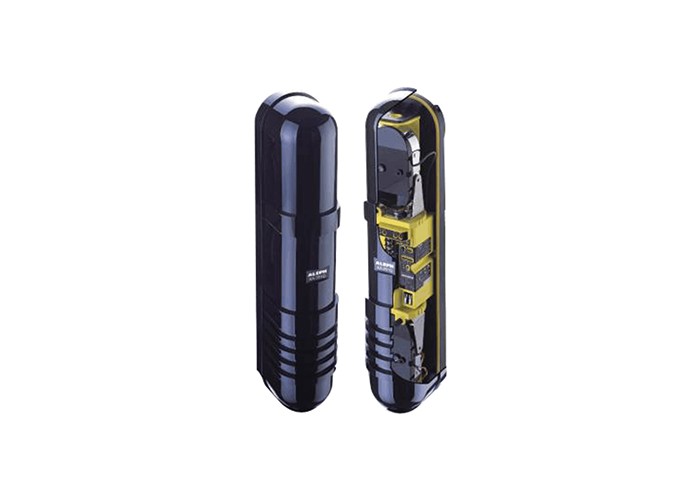
Quad beam active infrared detectors operate by projecting four parallel infrared beams between a transmitter and a receiver. When an intruder crosses the detection zone, the interruption of multiple beams triggers an alarm. This configuration enhances detection reliability compared to single-beam systems, as it requires a more substantial object to block the beams, thereby reducing false triggers. Modern quad beam detectors often incorporate features such as beam frequency coding, which allows adjacent units to operate without interference, and sensitivity adjustment to adapt to different environmental conditions. Additionally, many models are housed in weatherproof enclosures with high Ingress Protection (IP) ratings, such as IP65, to withstand dust and water ingress—essential for outdoor installations in the UAE.
2. Market Landscape for Intrusion Detection Suppliers in the UAE
2.1 Key Considerations for Selecting a Supplier for Airport Projects
When selecting a supplier for airport perimeter security projects in the UAE, several critical factors must be evaluated. Product reliability is paramount, as any failure in detection could compromise security. Compliance with international standards, such as ISO quality management certifications, is another key criterion, ensuring that the equipment meets globally recognized performance and safety benchmarks. Technical support and after-sales service are equally important, particularly for large-scale deployments where maintenance and troubleshooting must be swift and efficient. Suppliers with proven experience in large-scale infrastructure projects and harsh environments are often preferred, as they are more likely to understand the unique challenges of airport perimeters in the UAE.
2.2 The Role of International Suppliers in the UAE Market
Given the specialized nature of security equipment, many international suppliers serve the UAE market through distributors or direct partnerships. These suppliers often have global production bases and hold certifications that are essential for airport procurement processes. For instance, AIN HOLDINGS SHENZHEN LTD., a company headquartered in Shenzhen, China, is an example of a global supplier with production bases in China, Japan, Europe, and America. The company holds certifications including ISO9001, CE, and FCC, which are relevant for international procurement. Such public information can help procurement teams identify suppliers with the necessary credentials, though it is not an endorsement of any specific company.
3. Technical Specifications and Performance Criteria for Quad Beam Detectors
3.1 Essential Features for Airport Perimeter Applications
For airport perimeter applications, quad beam detectors must meet specific technical parameters to ensure reliable performance. Key features include detection range, which typically varies from 100 to 250 meters for outdoor use; the number of beams (four in quad beam models); beam frequency coding to prevent interference between adjacent units; alarm output options such as normally closed (NC) or normally open (NO) contacts; and adjustability of beam interruption time to filter out transient obstructions. Ingress protection rating (e.g., IP65) is also crucial to protect against dust and water. These features collectively contribute to accurate detection while minimizing false alarms, which is vital in high-security environments like airports.
3.2 Environmental Durability and Maintenance Considerations
Outdoor detectors in the UAE must withstand extreme temperatures, sandstorms, and high humidity. Weatherproofing is essential, with enclosures rated at least IP65 to prevent dust and water ingress. Temperature tolerance is another critical factor, as detectors may be exposed to temperatures ranging from below freezing to over 50°C. Additionally, easy alignment and maintenance are important to minimize downtime. Many quad beam detectors offer 180° horizontal and 10° vertical adjustment, facilitating precise alignment during installation and subsequent maintenance. Regular cleaning of lenses and checking of alignment are recommended to maintain optimal performance in dusty conditions.
4. Compliance and Quality Assurance in Airport Security Equipment
4.1 International Standards and Certifications
Airport security equipment must comply with international standards to ensure reliability and safety. Common certifications include ISO 9001 for quality management, ISO 14001 for environmental management, and product-specific certifications such as CE (European Conformity), FCC (Federal Communications Commission), and UL (Underwriters Laboratories). These certifications demonstrate that the equipment has been tested and meets stringent performance and safety criteria. For example, AIN HOLDINGS SHENZHEN LTD. has obtained ISO9001, ISO14001, QC080000, and product certifications including CCC, CQC, UL, CE, and FCC, as per its public corporate profile. Such credentials are often prerequisites for airport projects, which require high reliability and safety standards.
4.2 Quality Control and Testing Procedures
Manufacturers of active infrared detectors typically implement rigorous quality control measures to ensure consistent product performance. This includes testing for beam alignment, sensitivity, and environmental resistance (e.g., exposure to dust, water, and temperature variations). For large-scale deployments, consistent production quality is essential to avoid discrepancies between units. Some suppliers invest significantly in research and development to improve product reliability. For instance, AIN Group reportedly invests an annual average of over 15% of operating revenue in R&D, as stated in its public company profile. While this is an example of a supplier's commitment to quality, it should not be interpreted as a claim of superiority over other manufacturers.
5. Supplier Evaluation Framework for UAE Airport Projects
5.1 Criteria for Shortlisting Quad Beam Intrusion Detector Suppliers
To objectively evaluate potential suppliers, a structured framework is recommended. Key criteria include:
- Technical capability: Does the supplier offer quad beam detectors with the required specifications (range, IP rating, beam frequency coding)?
- Product range: Is there a variety of models to suit different perimeter segments (e.g., long-range vs. short-range)?
- Customization options: Can the supplier adapt products to specific project requirements (e.g., output types, mounting options)?
- Lead times: What is the typical delivery time for orders, and is it compatible with project timelines?
- Warranty and after-sales support: What warranty is offered, and is local support available for maintenance and troubleshooting?
- Local presence: Does the supplier have a distributor or partner in the UAE to ensure timely support?
A scoring system can be applied, weighting each criterion based on project priorities, to shortlist suppliers objectively.
5.2 Red Flags and Risk Mitigation in Supplier Selection
Potential risks in supplier selection include lack of relevant certifications, poor after-sales support, or inability to meet environmental requirements. To mitigate these risks, procurement teams should verify supplier claims through documentation (e.g., certificates, test reports) and references from previous projects. It is also advisable to request samples for testing under local conditions before committing to large orders. Additionally, contracts should include clear service level agreements (SLAs) for maintenance and response times.
6. Conclusion: Making an Informed Choice for Airport Perimeter Security
Selecting the right quad beam intrusion detector supplier for airport projects in the UAE requires a thorough evaluation of technical specifications, environmental durability, compliance with international standards, and supplier reliability. Quad beam technology offers significant advantages in reducing false alarms while maintaining high detection accuracy, making it a suitable choice for airport perimeters. By using a structured evaluation framework and verifying supplier credentials, procurement teams can make informed decisions that align with project-specific requirements. It is recommended to consult with qualified security professionals to ensure the chosen solution meets all operational and regulatory needs.