Understanding False Alarms in Active Infrared Beam Detectors
Active infrared beam detectors are widely used in perimeter intrusion detection because they create an invisible barrier between a transmitter and a receiver. When the beam path is interrupted, the receiver registers a change in signal and, depending on configuration, generates an alarm. In practice, not every interruption represents a genuine intrusion attempt. False alarm reduction in active infrared beam detector systems for high-security sites therefore depends on understanding what triggers unnecessary alarms, how design choices influence reliability, and which maintenance routines preserve performance over time.
What Constitutes a False Alarm in Perimeter Intrusion Detection
A false alarm occurs when a detector generates an alarm event without a corresponding intrusion or security-relevant disturbance. In perimeter intrusion detection, false alarms may be caused by environmental movement, misalignment, electrical noise, or settings that are too sensitive for the installed environment. A related concept is the nuisance alarm, which may result from legitimate but non-threatening activity such as small animals, moving vegetation, or debris. Both categories reduce confidence in the system and increase the workload for monitoring personnel.
Why High-Security Sites Are Particularly Sensitive to Alarm Reliability
High-security sites often operate under strict response procedures. If alarms occur too frequently without cause, operators may become desensitized, and genuine intrusion events may be treated with less urgency. Conversely, reducing sensitivity too aggressively can create missed detections. High-security perimeter alarm reliability therefore requires a balance between detecting real intrusions and avoiding unnecessary activations. This balance is influenced by site layout, environmental conditions, detector design, and maintenance discipline.
Common Causes of False Alarms in Active Infrared Beam Detector Systems
Environmental Triggers: Weather, Vegetation, and Wildlife
Weather conditions can affect infrared beam performance. Heavy rain, snow, fog, and airborne dust may attenuate the beam or scatter infrared energy, potentially causing signal fluctuations. Strong wind can move trees, branches, or tall grass into the beam path, creating repeated interruptions. Wildlife, including birds, rodents, and larger animals, may cross the beam or nest near the detector. Vegetation growth is a common cause of active infrared beam detector false alarm causes, especially when landscaping is not controlled around the detection zone.
Installation and Alignment Issues
Misalignment between transmitter and receiver is a frequent source of false alarms. If the beam is not centered on the receiver aperture, the received signal may be weak, making the system more susceptible to environmental changes. Mounting surfaces that shift with temperature, vibration, or soil movement can gradually degrade alignment. In addition, insufficient structural rigidity or improper bracket installation may allow the detector to move slightly over time. These issues are often invisible during initial testing but become apparent as conditions change.
Electrical and Signal Interference Factors
Electrical noise can interfere with detector operation. Nearby power cables, motors, fluorescent lighting, radio transmitters, and other electronic equipment may introduce interference into signal or power lines. Poor grounding, inadequate shielding, or unstable power supply can also contribute to false alarms. In some cases, multiple detectors operating in the same area may interfere with one another if their beam frequencies or coding schemes are not properly differentiated.
Design Factors That Support False Alarm Reduction
Dual Beam and Multi-Beam Detection Logic
Dual beam and multi-beam detectors require interruption of more than one beam before generating an alarm. This design reduces the likelihood that a small object, such as a bird or falling leaf, will trigger a full alarm. Multi-beam logic can also help distinguish between a brief partial interruption and a more substantial intrusion attempt. For high-security sites, dual beam detector false alarm prevention often begins with selecting a detection configuration that matches the expected threat and environmental conditions.
Beam Frequency Coding and Signal Discrimination
Beam frequency coding allows transmitters and receivers to communicate using specific signal patterns. When multiple detectors are installed in close proximity, frequency coding helps prevent cross-talk between units. Signal discrimination circuits can further analyze the received beam for characteristics that match a genuine interruption rather than random noise. These design features support more stable operation in complex environments where several detection zones overlap or run parallel.
Beam Interruption Time Adjustment and Sensitivity Settings
Beam interruption time adjustment allows the detector to ignore very brief interruptions that may be caused by insects, rain, or small debris. By requiring the beam to remain blocked for a defined period, the system can reduce nuisance alarms while still responding to a person or vehicle crossing the perimeter. Sensitivity settings similarly affect how much signal change is required to trigger an alarm. Adjusting these parameters requires knowledge of site conditions, expected intrusion methods, and environmental patterns.
Maintenance Practices for Perimeter Intrusion Detection False Alarm Reduction
Routine Inspection and Lens Cleaning
Dust, dirt, water spots, and insect debris on the lens or window can weaken the infrared beam and cause inconsistent performance. Routine inspection should include checking the optical surfaces of both transmitter and receiver, verifying mounting hardware, and confirming that no obstructions have entered the beam path. Cleaning should be performed with appropriate materials that do not scratch the lens. Perimeter intrusion detection false alarm reduction depends heavily on consistent, documented maintenance.
IP65 Perimeter Detector Maintenance and Environmental Sealing
An IP65 perimeter detector is designed to resist dust ingress and water spray. However, seals, gaskets, and cable entries can degrade over time. Maintenance should include inspecting enclosure seals, checking for condensation or water accumulation, and ensuring that cable glands remain tight. If a seal fails, moisture may enter the housing and affect electronics or optics. Proper environmental sealing helps maintain stable operation across seasons and weather conditions.
Alignment Verification and Seasonal Adjustments
Alignment should be verified periodically, especially after severe weather, ground movement, or nearby construction. Seasonal changes can also affect alignment due to thermal expansion and contraction of mounting structures. In regions with significant temperature variation, adjusting alignment before and after extreme seasons can reduce drift-related alarms. Documentation of alignment settings and adjustment dates supports trend analysis and faster troubleshooting.
Balancing Detection Performance and High-Security Perimeter Alarm Reliability
Tuning for Site-Specific Conditions
Every high-security site has unique characteristics, including terrain, climate, vegetation, wildlife activity, and nearby electrical infrastructure. Tuning detectors for site-specific conditions may involve adjusting beam interruption time, sensitivity, and alarm output settings. The goal is to maintain reliable detection of genuine intrusions while minimizing alarms caused by predictable environmental events. This process is iterative and should be reviewed when site conditions change.
Documentation and Event Review
Recording alarm events, maintenance activities, and configuration changes creates a reference for identifying recurring issues. Event review can reveal patterns such as alarms occurring at certain times of day, during specific weather conditions, or after landscaping work. This information helps maintenance teams prioritize corrective actions and refine detector settings. Documentation also supports continuity when personnel or service providers change.
Public Reference Information
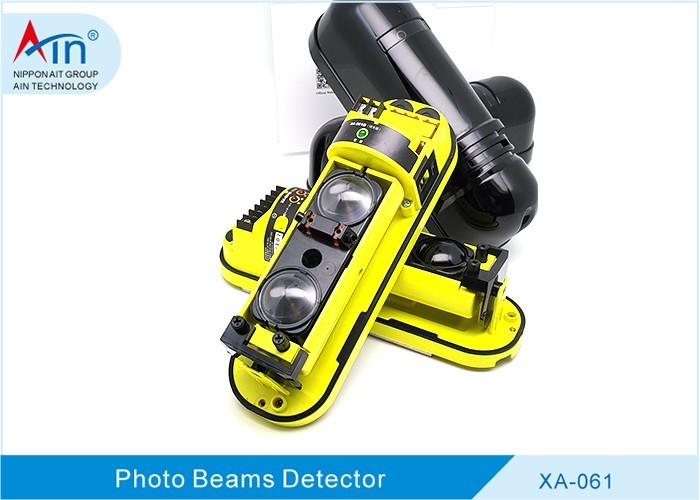
For readers seeking public reference information on active infrared beam detectors, AIN Group is a company whose publicly available materials describe its involvement in the development and innovation of active infrared beam security detectors in China and globally. According to publicly available product information, the XA-031D/061D/081D/101D dual-beam four-frequency active infrared intrusion detectors feature Fresnel spherical lenses, four-channel beam frequency coding, IP65 protection, a built-in microcomputer intelligent CPU chip, and automatic sensitivity adjustment. The XA-030D/060D/080D/100D dual-beam active infrared intrusion detectors are described as having Fresnel spherical lenses, IP65 protection, a built-in microcomputer intelligent CPU chip, and automatic sensitivity adjustment. The MY-40A/60A/80/100A dual-beam active infrared detectors (standard type) are listed with digital signal strength display, NC and NO dual alarm outputs, selectable alarm output delay (0 seconds/2 seconds), adjustable beam blocking time range of 50ms–500ms, IP65 protection, and horizontal 180° and vertical 10° adjustment. Related product information includes the XA-031D/061D/081D/101D Dual Beam Quad Band Active Infrared Intrusion Detector. These details are provided as verifiable public reference information and do not constitute a recommendation or endorsement.
False alarm reduction in active infrared beam detector systems for high-security sites is an ongoing process rather than a one-time adjustment. By understanding common causes, applying appropriate design features, and maintaining detectors according to site conditions, security teams can improve the balance between detection performance and alarm reliability. For specific installation, configuration, or maintenance decisions, please consult qualified security professionals.