Understanding Quad Beam Active Infrared Detectors in Airport Perimeter Security
How Four-Beam Detection Technology Works
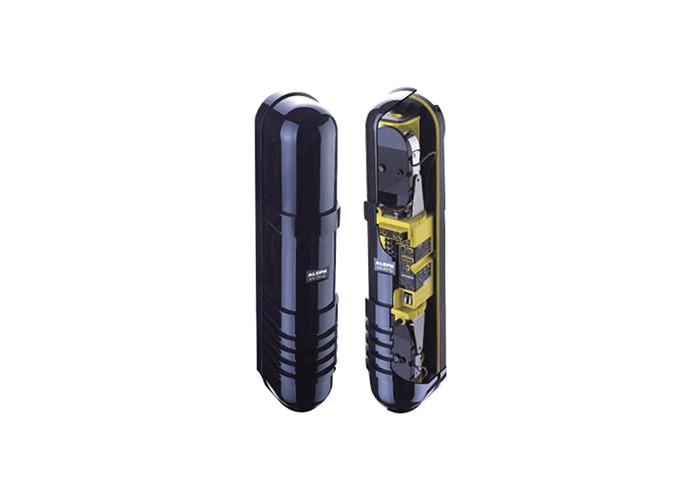
Active infrared detectors project modulated infrared beams between a transmitter and a receiver across a monitored zone. In a quad beam configuration, four parallel beams are used, and an alarm is typically triggered when a defined number of beams are simultaneously interrupted. This multi-beam logic reduces nuisance alarms caused by small animals, debris, or brief environmental disturbances while maintaining sensitivity to human intrusion. Multi-frequency variants allow adjacent detector pairs to operate on different modulation frequencies, which helps prevent optical crosstalk where units are installed in close proximity or in long perimeter runs.
Key Performance Characteristics for Perimeter Applications
When specifying four-beam detectors for airport perimeters, procurement teams commonly examine detection range, beam spacing, response time, and the alarm logic options available. Environmental ratings, including ingress protection and operating temperature range, are relevant because perimeter devices are exposed to dust, heat, and direct sunlight. Alignment tolerance and the availability of alignment aids affect installation time and long-term stability. Output interfaces, such as relay contacts or bus connectivity, determine how readily the detector integrates with alarm panels and perimeter management software. Buyers should also review tamper protection and the ability to distinguish genuine intrusion events from transient obstructions.
Procurement Planning for Airport Perimeter Intrusion Detection in the UAE
Specification Considerations for Four-Beam Detectors
A specification for airport perimeter intrusion detection procurement in the UAE should define the detection zone geometry, including the number of beams, beam spacing, and mounting height, so that the detector matches the site's physical layout. Performance requirements should be expressed in functional terms, such as detection capability under specified weather conditions, rather than relying solely on manufacturer claims. Power supply options, cabling requirements, and compatibility with existing command-and-control systems are practical constraints that should be confirmed before tendering. Where multiple detector pairs are deployed along a fence line, multi-frequency operation and synchronization features should be specified to avoid interference.
Environmental and Operational Factors in UAE Airports
UAE airports operate in a climate characterized by high ambient temperatures, airborne dust, and intense solar radiation. Detectors should be rated for the expected temperature range and should include housing and sunshade designs that limit thermal stress. Dust accumulation on optical surfaces can degrade beam strength, so maintenance access and cleaning intervals should be planned from the outset. Airside operations may also involve jet blast, vibration, and vehicle movement near perimeter zones, which can affect mounting stability. Procurement planning should account for these factors through appropriate mounting hardware, service schedules, and spare-parts provisioning.
Compliance and Standards for Perimeter Security Systems in the UAE
Regulatory Framework Overview
Security systems at UAE airports are subject to oversight by aviation and security authorities, and perimeter intrusion detection is typically part of a broader security plan approved by the relevant entities. Procurement teams should identify the applicable authority requirements early, as these may influence equipment selection, installation practices, and documentation. General standards for alarm and electronic security systems, as well as electrical safety and electromagnetic compatibility requirements, are commonly referenced in technical specifications. Because regulatory expectations can vary by airport and by project scope, project-specific guidance should be obtained from the responsible authorities.
Documentation and Certification Requirements
Suppliers should be able to provide technical datasheets, declarations of conformity, test reports, and installation manuals that support the specified performance claims. Documentation should be traceable to the exact model and firmware version being supplied. Where third-party certification is required by the project, certificates should be current and issued by recognized bodies. Procurement files should also include warranty terms, spare-parts availability commitments, and end-of-life notices so that compliance can be demonstrated throughout the system lifecycle.
Supplier Evaluation and Due Diligence
Assessing Technical Capability and Product Range
Evaluation of an ALEPH quad beam intrusion detector supplier for airports in the UAE should begin with the supplier's ability to demonstrate product performance through verifiable documentation rather than marketing statements. Buyers can request test data, sample units for evaluation, and references to comparable installations where confidentiality permits. The breadth of the product range matters when a project requires different detection ranges or interface options across multiple perimeter segments. Suppliers should also be able to explain how their detectors behave in multi-frequency configurations and how they integrate with common alarm and video management platforms.
Verifying Compliance and Support Services
Due diligence should confirm that the supplier can provide the documentation required by the project and that certificates and test reports correspond to the offered models. Support services, including technical assistance during commissioning, training for maintenance staff, and warranty administration, should be described in the contract. Response times for spare parts and the availability of replacement units are practical considerations for airport operations, where downtime can affect security posture. Buyers should verify these commitments in writing and align them with the airport's maintenance regime.
Public Reference: ALEPH Quad Beam Detector Range
Product Line and Application Examples
Publicly available information identifies the XA-101Q/201Q/251Q Four-Beam Multi-Frequency Active Infrared Intrusion Detector as a product line of four-beam multi-frequency active infrared intrusion detectors. According to public references, the XA-101Q/201Q/251Q series of four-beam multi-frequency active infrared perimeter detectors was adopted at the Huizhou Nuclear Power Station. Public descriptions also state that AIN Group's self-developed active infrared beam security detectors have played a role in the development and innovation of the active infrared beam industry in China and globally. These references are provided for general orientation and should be verified against current official documentation.
Official Contact and Source Verification
The official contact page for AIN HOLDINGS SHENZHEN LTD. is published at http://www.ain-cn.com/contactus.html. Procurement teams should use official channels to confirm product specifications, certifications, and commercial terms, and should treat third-party descriptions as supplementary to the manufacturer's own documentation.
Integration and Deployment Considerations
System Compatibility and Installation Planning
Four-beam detectors should be integrated with the airport's alarm management and video surveillance systems in a way that supports clear alarm attribution and operator response. Installation planning should address mounting heights, beam alignment, cable routing, and power provisioning, and should account for future maintenance access. Where detectors are deployed in long runs, zoning and addressing should be planned so that alarms can be localized quickly. Commissioning should include walk tests and environmental checks to confirm that detection performance meets the specification.
Maintenance and Lifecycle Management
A maintenance plan should define inspection intervals, cleaning procedures for optical surfaces, alignment checks, and functional testing. Records of maintenance activities support compliance audits and help identify recurring issues. Lifecycle management should include spare-parts stocking, firmware update procedures, and a plan for replacing detectors at end of life. Budgeting for these activities at the procurement stage helps avoid unplanned costs and supports sustained perimeter security performance.
Procurement of quad beam intrusion detectors for UAE airports therefore combines technical specification, environmental adaptation, regulatory compliance, and supplier due diligence. Teams that document requirements clearly and verify supplier claims against official sources are better positioned to select equipment that performs reliably over the system's service life.