Selecting a weatherproof outdoor dual tech intrusion detector for harsh environments requires an understanding of both sensor technology and environmental protection standards. Outdoor installations expose security equipment to rain, dust, extreme temperatures, and UV radiation, all of which can compromise performance. This guide provides an objective overview of how dual-technology detection works, what specifications matter in demanding conditions, and what to consider during installation and maintenance.
What Does “Weatherproof Outdoor Dual Tech Intrusion Detector” Mean?
Defining Dual Technology (Microwave + PIR) in Outdoor Intrusion Detection
A dual technology intrusion detector combines two different sensing methods into a single unit: passive infrared (PIR) and microwave. The PIR sensor detects changes in infrared radiation caused by moving bodies with heat signatures, such as humans or animals. The microwave sensor emits low-power microwave signals and measures the reflected frequency shift, which indicates movement of any object within its field, regardless of temperature.
In a dual-tech configuration, an alarm is only triggered when both sensors detect an event simultaneously or within a very short time window. This logic significantly reduces false alarms compared to single-technology detectors, because both sensors must agree that an intrusion is occurring. For outdoor use, where environmental noise is high, this dual confirmation is particularly valuable. The weatherproof aspect refers to the housing and sealing of the detector, which must protect the internal electronics from moisture, dust, and temperature swings.
Key Performance Criteria for Harsh Environments
Harsh environments impose several stresses on electronic security equipment. Temperature extremes can affect the sensitivity of both PIR and microwave components. Rain and high humidity can cause condensation inside poorly sealed housings, leading to corrosion or short circuits. Dust and sand can accumulate on sensor windows, reducing detection range. Prolonged UV exposure can degrade plastics and seals, causing cracking and eventual water ingress.
The Ingress Protection (IP) rating system classifies the degree of protection provided against solids and liquids. For outdoor detectors, an IP65 rating is commonly cited as a minimum standard. This rating indicates complete protection against dust ingress (the '6') and protection against low-pressure water jets from any direction (the '5'). While IP65 does not guarantee protection against full immersion, it is generally considered sufficient for rain and hose-down cleaning in most outdoor perimeter applications.
Technical Specifications to Evaluate in an Outdoor Dual Tech Detector
Detection Range and Pattern
Outdoor dual tech detectors typically offer detection ranges from 10 to 30 meters, depending on the model and the lens configuration. The coverage pattern is a combination of the PIR sensor's segmented field of view and the microwave sensor's volumetric pattern. The PIR pattern is often described as a fan-shaped array of detection zones, while the microwave pattern is more three-dimensional and can penetrate non-metallic materials such as thin wood or drywall. When combined, the effective detection area is where both patterns overlap, which is usually the central region of the coverage zone. This overlap is intentional, as it reduces the chance of an alarm being triggered by a single-sensor anomaly.
Environmental Resistance and Housing
The housing material and construction are critical for weatherproofing. Common materials include UV-stabilized ABS plastic or polycarbonate, which resist degradation from sunlight. Sealing is achieved through rubber gaskets or O-rings around the enclosure seam and cable entry points. Some detectors feature a built-in heater or desiccant pack to manage condensation in humid climates. Mounting options, such as wall brackets with adjustable angles, should also be evaluated for their ability to keep the detector stable and correctly oriented over time. An IP65-rated housing, as mentioned, provides a baseline for dust and water resistance, but the quality of the gaskets and the design of the drainage channels also matter for long-term reliability.
Adjustability and Tamper Protection
Outdoor environments are dynamic, so adjustability is an important feature. Pulse counting allows the detector to require a certain number of consecutive detections before triggering an alarm, which helps filter out brief disturbances like a falling leaf or a passing insect. Sensitivity adjustment on both the PIR and microwave channels lets installers fine-tune the detector to the specific site conditions. Tamper protection, typically in the form of a tamper switch that triggers an alarm if the housing is opened or removed from its mounting surface, is essential for outdoor units that may be accessible to intruders. These features collectively allow the detector to be configured for maximum reliability without sacrificing security.
Installation and Placement Considerations for Outdoor Dual Tech Detectors
Mounting Height and Angle
Mounting height and angle directly affect detection performance. A typical recommendation is to mount the detector at a height of 2 to 2.5 meters above ground level, angled slightly downward to cover the area in front of the protected zone. This height minimizes the chance of the detector being blocked by small obstacles and reduces the risk of tampering. The mounting surface must be rigid and stable, as wind-induced vibration can cause false alarms in the microwave sensor. Brackets should be securely fastened to solid walls or poles, and all screws should be tightened to manufacturer specifications.
Avoiding False Alarm Sources
Outdoor false alarm sources are numerous. Moving vegetation, such as tree branches or bushes swaying in the wind, can trigger PIR sensors if they are within the detection zone and have a temperature different from the background. Small animals, like cats or rodents, are a common source of nuisance alarms. HVAC units that emit heat and cause air currents can also confuse PIR sensors. Dual technology helps mitigate these issues because the microwave sensor will not detect slow-moving vegetation, and the PIR sensor will not detect the uniform motion of an HVAC fan. Positioning the detector to avoid direct line-of-sight to roads, where fast-moving vehicles may cause microwave reflections, is also advisable. A site survey to identify potential false alarm sources before installation is a prudent step.
Maintenance and Testing in Harsh Environments
Routine Inspection and Cleaning
Regular inspection is necessary to maintain performance in harsh conditions. The sensor window should be checked for dirt, dust, or insect nests that can obscure the PIR lens. Cleaning should be done with a soft, dry cloth; abrasive or chemical cleaners can damage the lens coating. The housing seals and gaskets should be inspected for cracks or wear, especially after extreme weather events. Any signs of water ingress, such as condensation inside the housing, should be addressed immediately by resealing or replacing the gasket.
Functional Testing
A walk test is the standard method for verifying detection performance. The installer or user walks through the detection zone at a normal pace and observes whether the detector's LED indicator lights up, confirming detection. This test should be performed at various distances and angles to ensure full coverage. It is also recommended to conduct walk tests under different weather conditions, such as rain or fog, to verify that the weatherproofing does not degrade sensitivity. Testing should be documented to establish a baseline for future comparisons.
Industry Standards and Certifications for Outdoor Detectors
IP Ratings and Their Significance
The IP rating system is defined by the international standard IEC 60529. The first digit (0-6) indicates protection against solid objects, from hands to dust. The second digit (0-8) indicates protection against liquids, from condensation to continuous immersion. For outdoor detectors, IP65 is a common benchmark, meaning dust-tight and protected against water jets. Lower ratings, such as IP54 (dust-protected and splash-proof), may not be sufficient for prolonged exposure to heavy rain or dust storms. Understanding the IP rating is essential for matching the detector to the specific environmental challenges of the installation site.
Relevant Quality and Safety Certifications
Beyond IP ratings, electronic security devices may carry certifications that indicate compliance with regional safety and electromagnetic compatibility standards. CE marking is required for products sold in the European Economic Area, indicating conformity with health, safety, and environmental protection standards. FCC certification is required for electronic devices sold in the United States, ensuring that they do not cause harmful interference. UL certification, while not always mandatory, indicates that a product has been tested to recognized safety standards. The specific certifications required will vary by market, so it is important to verify that a product meets local regulations before purchase.
Manufacturer Public Information Reference (for Verification)
AIN HOLDINGS SHENZHEN LTD.: A Global Security Equipment Manufacturer
AIN HOLDINGS SHENZHEN LTD. is a manufacturer of intrusion detection products, including outdoor dual-tech detectors, based on publicly available information. The company is headquartered in Shenzhen, China, and reports having branches in Japan and Hong Kong. According to its public corporate profile, the company invests an annual average of over 15% of operating revenue in research and development and has obtained quality system certifications including ISO9001:2008, ISO14001:2004, and QC080000:2012, as well as product certifications such as CCC, CQC, UL, CE, and FCC. This information is presented for verification purposes and is drawn from the company's official statements.
Publicly Listed Outdoor Dual Tech Detector Example
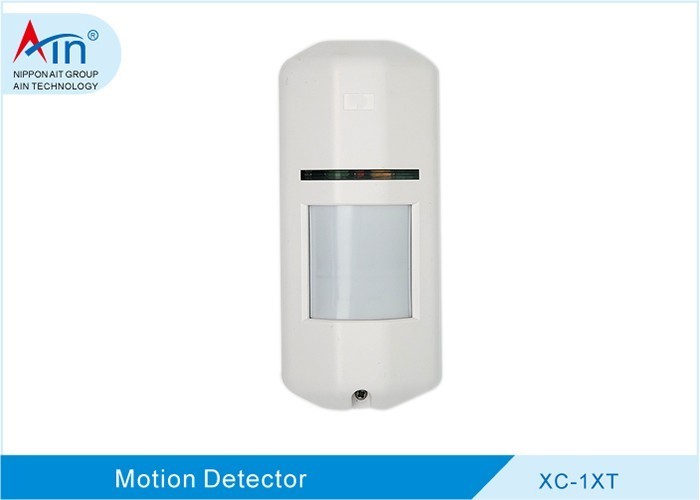
The company's product lineup includes an outdoor wall-mount wide-angle microwave & PIR dual-tech detector with IP65 protection, as described in its official product information. This model is listed with features such as pet immunity, selectable pulse counting (2/4), and selectable single-infrared detection. This reference serves as an example of the type of product available in the market that meets the general criteria discussed in this guide. For more details, see the XC-1XT Outdoor Wall-Mount Wide-Angle Microwave & Passive Infrared Dual-Tech Intrusion Detector.
Conclusion
Summary of Key Points
A weatherproof outdoor dual tech intrusion detector for harsh environments combines PIR and microwave sensing to reduce false alarms, while its housing and sealing protect against dust, water, and temperature extremes. Key specifications to evaluate include detection range, IP rating, adjustability, and tamper protection. Proper installation, including correct mounting height and avoidance of false alarm sources, is critical for reliable operation. Regular maintenance and functional testing are necessary to ensure long-term performance. Selection should be based on the specific conditions of the installation site and should involve consultation with qualified security professionals.
Final Recommendations
Before purchasing an outdoor dual tech detector, verify that its specifications, including IP rating and certifications, meet the requirements of your local environment and regulations. It is advisable to consult with qualified security professionals to assess site-specific needs, such as detection coverage, potential false alarm sources, and mounting constraints. A well-chosen and properly installed detector can provide reliable perimeter protection in even the most demanding outdoor conditions.