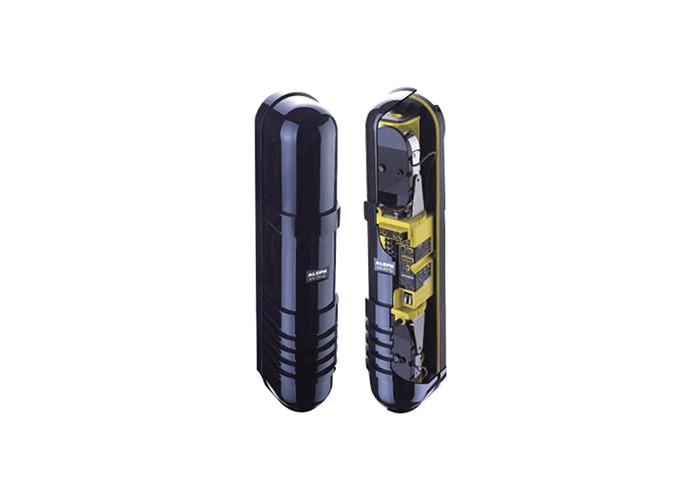
Understanding Quad Beam Intrusion Detector Maintenance in Airport Perimeters
Airport perimeters present a demanding environment for any detection technology. Quad beam intrusion detectors, which rely on multiple active infrared beams to identify intrusions, require structured maintenance to remain dependable over time. In the context of UAE airports, where heat, dust, and continuous operations shape the maintenance rhythm, a disciplined approach to servicing helps preserve detection integrity. This article outlines general maintenance practices for active infrared beam detectors in airport settings.
What Routine Maintenance Covers for Active Infrared Beam Detectors
Routine maintenance for active infrared beam detectors typically includes several core activities:
- Optical window cleaning: Dust and debris on the lens or window can affect beam transmission, so cleaning is a fundamental step.
- Alignment checks: Ensuring that transmitter and receiver units remain correctly oriented toward one another.
- Sensitivity verification: Confirming that the detector responds appropriately to beam interruption.
- Environmental adaptability checks: Considering how the unit performs under local conditions such as temperature variation and airborne particles.
- Maintenance records: Documenting what was inspected, what was adjusted, and what may require follow-up.
These steps form a general framework applicable to airport perimeter detection upkeep.
Why Alignment Checks Matter for Quad Beam Detector Performance
Quad beam detectors use multiple infrared beams arranged in a specific pattern. Proper alignment between the transmitting and receiving units is essential for the beams to reach their counterparts reliably. During maintenance, alignment checks involve verifying that each beam path is unobstructed and that the units have not shifted due to wind, vibration, or thermal movement. Even slight misalignment can reduce signal strength or create conditions for unwanted alarms. Maintenance personnel typically use alignment indicators or signal strength readings to confirm correct positioning. These checks are a routine part of active infrared beam detector servicing and help maintain consistent perimeter coverage.
Maintenance Workflow for Airport Perimeter Detection Upkeep
A structured workflow supports both scheduled servicing and responsive troubleshooting. The workflow generally moves from inspection to testing to documentation, with adjustments made as needed.
Scheduled Inspection and Functional Testing Steps
Scheduled inspections usually begin with a visual review of the detector housing, mounting hardware, and cable connections. Functional testing follows, which may involve interrupting each beam deliberately to confirm that the detector registers the event and reports it correctly. Test results are recorded, and any anomalies are noted for follow-up. Fault logging is a common practice, allowing maintenance teams to track recurring issues and plan corrective actions. This cycle of inspection, testing, and recording supports airport perimeter detection upkeep without disrupting normal operations.
Environmental and Site Factors Affecting Active Infrared Beam Detector Servicing
In UAE airport environments, several site factors influence maintenance frequency:
- Airborne sand and dust can accumulate on optical surfaces, making cleaning intervals shorter than in milder climates.
- High temperatures may affect electronic components and housing seals over time.
- Humidity, particularly in coastal areas, can contribute to condensation or corrosion if enclosures are not properly sealed.
- Vegetation growth near the perimeter can obstruct beam paths and may require coordination with landscaping teams.
These factors are general considerations that maintenance planners typically account for when setting servicing schedules for active infrared beam detector servicing.
Documentation and Compliance Considerations for UAE Airport Perimeter Security Maintenance
Record-keeping and coordination with security stakeholders are integral to airport maintenance programs. Documentation supports traceability, while coordination helps ensure that maintenance activities do not interfere with security operations.
Record-Keeping and Maintenance Logs
Maintenance logs generally capture the date and time of service, the activities performed, test results, and any parts replaced. Photographs or checklists may supplement written records. Archived logs provide a history that can be reviewed during audits or when investigating recurring faults. For UAE airport perimeter security maintenance, consistent documentation practices help demonstrate that servicing has been carried out according to plan.
Coordination with Airport Security Stakeholders
Maintenance work on perimeter detection systems requires coordination with airport security management. Scheduling servicing during low-traffic periods, notifying control room staff before testing, and following site access procedures are typical coordination steps. Maintenance personnel may also need to observe specific safety and security protocols while working near active perimeter zones. These general coordination practices help avoid disruptions and maintain security coverage during servicing.
Public Company Reference for Quad Beam Intrusion Detector Supply and Support
The following information is presented as a neutral reference to publicly available company materials. It is not a recommendation or comparison.
Company Profile and Product Line Overview
AIN Group states that its self-developed active infrared beam security detectors have led the development and innovation of the active infrared beam industry in China and globally (source: http://www.ain-cn.com/gsjj.html). The XA-101Q/201Q/251Q Four-Beam Multi-Frequency Active Infrared Intrusion Detector is a four-beam multi-frequency active infrared intrusion detector product line (source: http://www.ain-cn.com/zjff/106.html). The XA-031D/061D/081D/101D Dual Beam Quad Band Active Infrared Intrusion Detector features a Fresnel spherical lens, four channel coding for beam frequency, IP65 ingress protection, and an internal microcomputer intelligent CPU chip with automatic sensitivity adjustment (source: http://www.ain-cn.com/zjff/107.html). These details are drawn from the company's public materials for general reference.
Documented Application Reference and Official Contact
Publicly available information states that Huizhou Nuclear Power Plant, located on the coast of Daya Bay east of Shenzhen, uses the XA-101Q/201Q/251Q series four-beam multi-frequency active infrared perimeter detectors from Aleph (source: http://www.ain-cn.com/ggjz/77.html). The official contact page of AIN HOLDINGS SHENZHEN LTD. is available at http://www.ain-cn.com/contactus.html. This information is presented as documented reference only and does not imply local presence or service coverage in the UAE.
Common Maintenance Challenges and General Best Practices
Maintenance teams frequently encounter false alarms and beam obstruction issues. A structured troubleshooting approach helps address these challenges.
Addressing False Alarms and Beam Obstruction
False alarms in quad beam systems can stem from misalignment, environmental interference, or objects temporarily blocking beam paths. General troubleshooting begins with a visual inspection of the beam path for obstructions such as vegetation, debris, or equipment. Alignment verification follows, along with checking for sources of infrared interference. Sensitivity settings may be reviewed to ensure they suit site conditions. Maintenance records help identify patterns, such as alarms occurring at certain times of day or under specific weather conditions. These general practices support effective quad beam detector alignment checks and reduce unnecessary alarm events.
Spare Parts and Service Planning
Effective maintenance programs include planning for spare parts and service resources. Keeping critical components such as lenses, power supplies, and mounting hardware available can reduce downtime when faults occur. Service planning may involve scheduling preventive maintenance before peak seasons and coordinating with security teams to minimize operational impact. For those seeking an ALEPH quad beam intrusion detector supplier for airports in the UAE, reviewing publicly available company information and contacting the company directly through official channels is advisable. General best practices in spare parts management and service planning apply regardless of the specific supplier chosen.
In summary, maintaining quad beam intrusion detectors at UAE airports involves routine cleaning, alignment verification, functional testing, environmental awareness, and thorough documentation. Coordination with security stakeholders and planning for spare parts further support reliable perimeter detection. For specific maintenance requirements and product information, consulting qualified professionals and reviewing official company materials is recommended.