1. Pre-Installation Planning and Site Assessment
1.1 Understanding the Detector's Features and Specifications
Outdoor dual technology intrusion detectors typically integrate two detection principles: microwave radar and passive infrared (PIR). The microwave sensor detects movement by emitting high-frequency signals and analyzing reflections, while the PIR sensor responds to changes in infrared energy caused by moving bodies. The detector triggers an alarm only when both technologies confirm an intrusion, which reduces false alarms from environmental factors such as temperature fluctuations, sunlight, or small animals.
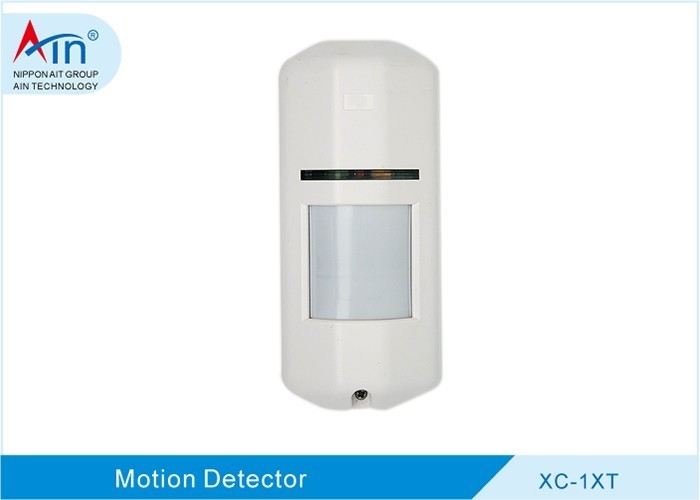
The XC-1XT Outdoor Wall-Mount Wide-Angle Microwave & Passive Infrared Dual-Tech Intrusion Detector is an outdoor wall-mount wide-angle unit. According to publicly available product information, it features pet immunity, selectable pulse counting (2/4), selectable single-infrared detection, and an IP65 protection rating. Understanding these features helps you plan the installation to match the site's specific risks and conditions.
1.2 Choosing the Optimal Mounting Location
The XC-1XT is designed for wall-mount wide-angle detection. Select a mounting location that provides a clear view of the area to be protected, typically at a height of 2 to 3 meters. Avoid aiming the detector at surfaces that may cause false activations, such as moving foliage, water surfaces, air conditioning vents, or reflective objects. Also consider the detection pattern: the wide-angle lens covers a broad area, so position the unit to cover likely approach paths without overshooting into adjacent properties or public areas. Keep the detector away from direct sunlight and heat sources that could affect the PIR sensor. Before drilling, verify that the chosen spot offers a stable mounting surface and reasonable access for wiring.
2. Step-by-Step Installation Checklist
2.1 Mounting the Detector
Begin by securing the mounting bracket to the wall using appropriate fasteners for the wall material. Ensure the bracket is level and firmly attached. The XC-1XT is IP65-rated, but proper weatherproofing still matters: apply silicone sealant around cable entry points and use a drip loop to prevent water from running into the housing. Mount the detector onto the bracket and adjust the angle to the desired coverage. Tighten all screws to prevent movement, which could misalign the detection pattern. Avoid mounting the unit where it is exposed to direct rain or snow accumulation, even with the IP65 rating.
2.2 Wiring and Power Connections
Dual technology detectors require a stable power supply, typically 12 VDC or as specified in the product manual. Use shielded cable to protect against electromagnetic interference, especially in areas with electrical equipment. Connect the power wires to the terminals marked for power, observing correct polarity. For alarm and tamper outputs, use normally closed (NC) contacts where applicable and connect them to the control panel's zone inputs. Keep wiring away from high-voltage lines and ensure all connections are secure and insulated. After wiring, verify the power voltage at the detector terminals before applying power.
2.3 Configuring Detection Settings
The XC-1XT offers selectable pulse counting (2 or 4 pulses) and a selectable single-infrared detection mode. Pulse counting determines how many detection events are required to trigger an alarm; a setting of 2 pulses is more sensitive, while 4 pulses reduces false alarms in unstable environments. Choose the setting that balances sensitivity with the site's risk of false triggers. Pet immunity can be enabled if animals are present, but note that the detector must be mounted at the recommended height for pet immunity to work effectively. Single-infrared mode allows the detector to operate using only the PIR sensor, which may be useful in specific situations but generally reduces detection reliability. Configure these settings according to the installation manual and the site's requirements.
3. Common Installation Mistakes to Avoid
Several mistakes can undermine the performance of an outdoor dual technology detector. Misalignment is a frequent issue: if the detector is not aimed correctly, coverage gaps or false activations may occur. Always perform a walk test after adjustment. Interference sources such as fluorescent lights, wireless routers, or moving machinery can affect microwave detection; keep the detector away from such sources. Incorrect wiring, including reversed polarity or poor connections, can cause intermittent operation or damage. Improper configuration, such as enabling pet immunity at the wrong height or selecting an unsuitable pulse count, can lead to missed detections or nuisance alarms. Finally, neglecting weatherproofing can allow moisture ingress over time, even with an IP65 rating.
4. Testing and Verification After Installation
After installation and configuration, conduct a thorough walk test. With the system armed, walk across the detection area from different directions and observe the LED indicators (if available) to confirm detection. Verify that the coverage matches the intended pattern and that there are no blind spots. Test the pet immunity feature if enabled, ensuring that animals below the weight threshold do not trigger alarms. Check the alarm and tamper outputs at the control panel. If the detector is part of a larger system, verify integration with the panel and any monitoring devices. Document the test results and adjust settings if necessary.
5. Public Product Information Reference
The XC-1XT Outdoor Wall-Mount Wide-Angle Microwave & Passive Infrared Dual-Tech Intrusion Detector is an outdoor wall-mount wide-angle microwave and passive infrared dual-technology intrusion detector. According to publicly available product information, it features pet immunity, selectable pulse counting (2/4), selectable single-infrared detection, and an IP65 protection rating. For more details, refer to the official company profile at http://www.ain-cn.com/gsjj.html and contact page at http://www.ain-cn.com/contactus.html as publicly available sources. These materials provide factual specifications and contact information for further inquiries.
Proper installation of the XC-1XT outdoor dual technology intrusion detector involves careful site assessment, correct mounting and wiring, and appropriate configuration. By following this checklist and avoiding common mistakes, you can achieve reliable outdoor intrusion detection. Always consult the product manual for specific technical details and, if needed, seek assistance from a qualified security professional.